Your Small Biz CMO Framework

Make Your Marketing Count.

Every business needs a CMO. In yours, that’s you.Get found by the right people, build trust before they reach out, and turn attention into revenue – without guessing.

The three things every CMO delivers

Clarity. Consistency. Visibility.

Clarity

Knowing exactly who you’re talking to, what problem you solve, and why someone should choose you over anyone else. Without this, every marketing effort is a guess.

Consistency

Showing up on the same channels, with the same message, on a reliable schedule. One great post doesn’t build trust. Showing up every week does.

Visibility

Getting found by the right people on Google, in AI-generated search results, and on the platforms where your customers are looking. If they can’t find you, none of the rest matters.

Small businesses grow when they create clarity, build consistency, and earn visibility. Marketing is where visibility lives. Without it, your numbers stay flat and your operations have nothing to run on.

Is this you?

You're putting in the work.
You're just not sure it's reaching anyone.

The framework

strategy. Visibility. Conversion. Optimization.

Four steps. In order. Most founders skip to visibility and wonder why nothing converts.
Strategy: know who you’re talking to, what you’re saying, and where you need to show up

Your offer, your audience, your positioning, and your goals. This includes where you need to be found – including how you show up in search results and in AI-generated search results. Both matter. Both start with strategy, not tactics.

Visibility: get found by the right people
Your website, search presence, content, social channels, email, and any other place customers look before they reach out. Getting found is not luck. It’s structure.
Conversion: turn attention into action
The pages, offers, proof, and calls to action that take someone from curious to ready. Traffic that doesn’t convert is just noise. Your website has one job: make the next step obvious.
Optimization: learn what’s working, do more of it, and keep your current customers coming back
Simple metrics, a regular review rhythm, and the discipline to cut what isn’t working. Keeping existing clients is part of this too. Holding onto a customer costs less than finding a new one. Most small businesses never get here because they skip steps one through three.

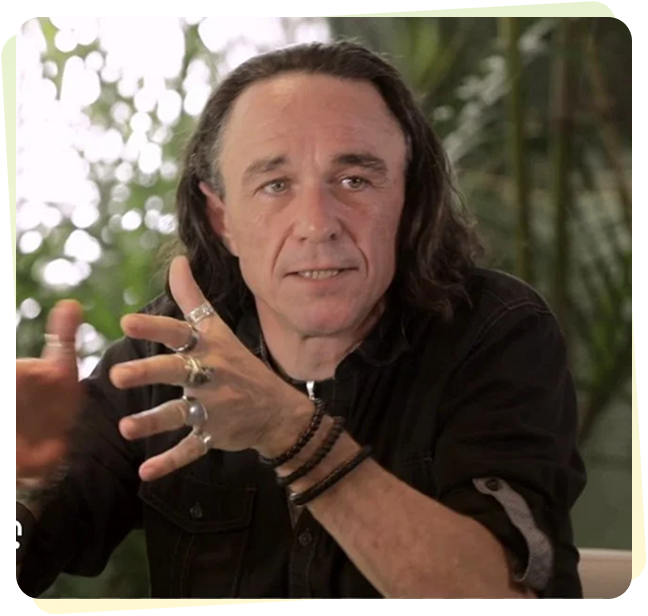
Hard Truth -Ryan Cunningham

“Most small businesses don’t have a marketing problem. They have a sequencing problem. They start with content before the message is clear, run ads before the website converts, and chase channels before they know which one their customers actually use. Fix the order and the results follow.”

Ryan Cunningham

Co-founder, Ready, Plan, Grow!

What it looks like in practice

Real scenarios. Real consequences.

A founder spends money on ads and gets clicks. But nobody buys. The ads keep running because stopping feels like giving up.
The problem isn’t the ads. It’s the page they land on. Ads send traffic. The website has to convert it. That’s a conversion problem, not a visibility problem.
A business posts consistently on Instagram. Engagement is decent. But it’s not translating into inquiries or sales
Content without a clear offer or a path to buy is entertainment. People enjoy it and move on. Strategy comes before content, not after.
A founder has a great product and real expertise. But customers keep finding competitors instead of them.
Google and AI tools recommend businesses with clear, consistent signals. If your digital presence is patchy or hard to read, you don’t get recommended.
A business tries a new marketing channel every quarter. Nothing sticks long enough to tell if it’s working.
Without a review rhythm and simple metrics, you can’t tell what’s working. Optimization requires data. Data requires consistency first.
Your starting plan

90 days to a marketing system that works.

Pick four numbers to track every week. Saves, profile visits, link clicks, and inquiries. Review them on the same day each week. Let the data tell you what to do more of.
Set up or clean up your Google Business Profile, your priority social channel, and your content publishing rhythm. Show up in the places your customers are actually looking.
Lock in your offer, your audience, and your message. Fix your homepage so a stranger understands what you do in ten seconds. Everything else depends on this.
What founders say

Real businesses. Real traction.

Sunny Barja

President, Foodesign Associates
“We went from scattered activity to a clear plan. Now we know what we’re doing and why. The results followed pretty quickly after that.”

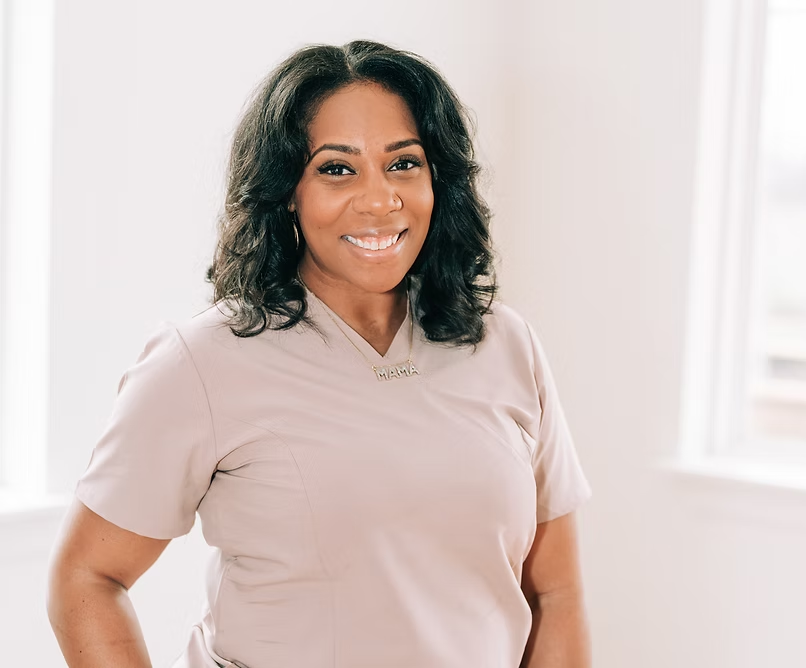
Tiffani Dickerson, RN

The Breast Choice Lactation Services

“Once the message was clear, everything else clicked. I stopped second-guessing what to post and started seeing real inquiries come in.”

Kasi Nayles

Founder, For The Few

“I finally understood which parts of my marketing were actually working and stopped wasting time on the ones that weren’t.”
How it works inside RPG

Ready. Plan. Grow!

You get the frameworks. You run them in your business with your
preferred AI doing the heavy lifting. Learn how to apply them with
our team during office hours.

Ready

Get the ownership audit tools and operations frameworks. Upload them to any AI. One prompt and you’re walking through your actual systems. No module to complete first.

Plan

Workshops on access audits, process documentation, and systems design. Weekly office hours with Marcela and the community. Bring your actual tools and setup. Get real answers.

Grow

Premium pre-built prompts for ChatGPT mean your AI runs the RPG operations framework with your actual business setup. Your systems. Your decisions. Starting now.

Premium

$50/mo

Full Skills library and pre-built prompts for ChatGPT. Your AI runs the RPG operations framework with your actual business setup and tools.

Free

$0

Frameworks you can upload to any AI. One prompt and it walks you through your actual message, channels, and content plan. No course to finish first.
Your other C-suite roles are waiting.

Marketing doesn't exist in isolation.

The CMO works with the CFO and the COO. In your business, all three
are likely you. Here’s how they connect.
Know Your Numbers
Without knowing what it costs to get a customer and what they’re worth over time, you can’t make a single smart marketing decision. The CFO’s numbers tell the CMO where to spend and what’s actually working.
Business Operations
Marketing can only run as well as the systems behind it. If tools, approvals, and access are a mess, campaigns break down before they start.
Go deeper

The blog posts that teach the details.

What pages does your website actually need

How to explain your business so people trust it and buy

Why every small business needs to understand their marketing funnel

Are customers finding your business on Google, AI, or somewhere else

How to set up SEO for a small business website

The must-have pages every business website needs and why they matter

Step into your Coo role.

Join free. Run the ownership audit. Show up to office hours. You’ll know exactly what to fix by the end of the month.